Design
5 non-design jobs that helped me become a better designer
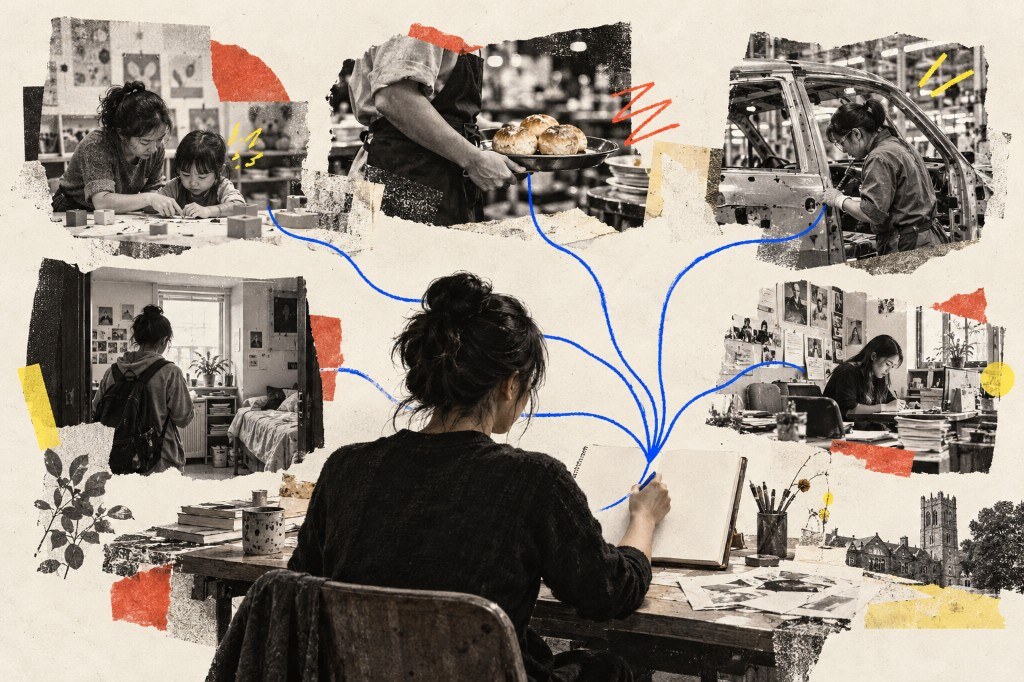
As I reflected on my life this past week, I realized my path to becoming a designer was quite interesting.
In fact, my path wasn’t a steady growing line — it was a bit messy and all over the place, like my crazy mind. It is definitely not appealing on a résumé for a designer in Silicon Valley.
But as I look back on it, everything was just right.
From age 16 to 21, I had five different jobs:
- At 16, I was an assistant instructor at the Kumon Learning Center
- At 17, I was a server at the Golden Corral buffet
- At 18, I was a car assembler at NUMMI, the car factory
- At 19, I was a resident advisor at San José State University
- At 20, I was the Director of Communication at San José State University
These five places helped me tremendously empathize with people. They allowed me to understand what people want, what people need, and what motivates them — all so I could design better experiences.
Here’s what each job taught me about people.
1. Users are like distracted preschoolers
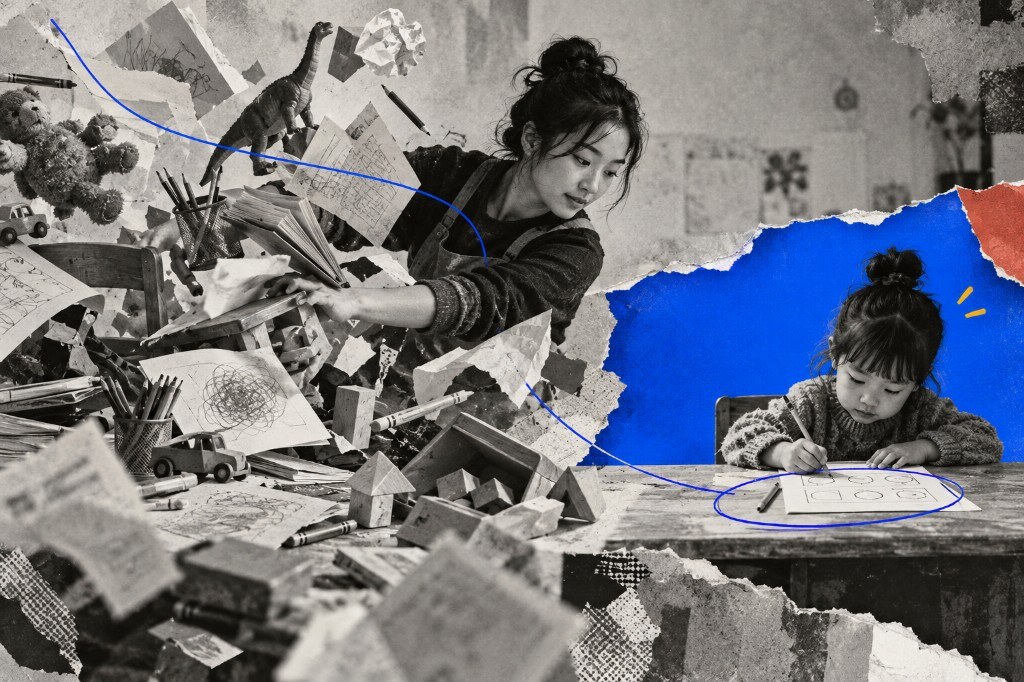
Right when I turned 16, I started working at the Kumon Learning Center as an assistant instructor for preschoolers.
When I first started, my biggest challenge was getting these adorable pumpkins to focus on their math and reading. They were always distracted and found it difficult to complete their activities.
So I started taking things away from them. I’d hide unnecessary books, worksheets, and pencils — so the only thing they could see was their current activity.
Like toddlers, your users are easily distracted by everything around them (on and off their devices). If you want someone to focus, strip everything away. Take out what’s unnecessary and only show the elements that help them complete the task.
Other ways to help users focus:
- Clear calls to action so people know what to do
- Let the specific task take up the whole screen
- Make the most important elements more prominent
2. Users are like impatient diners
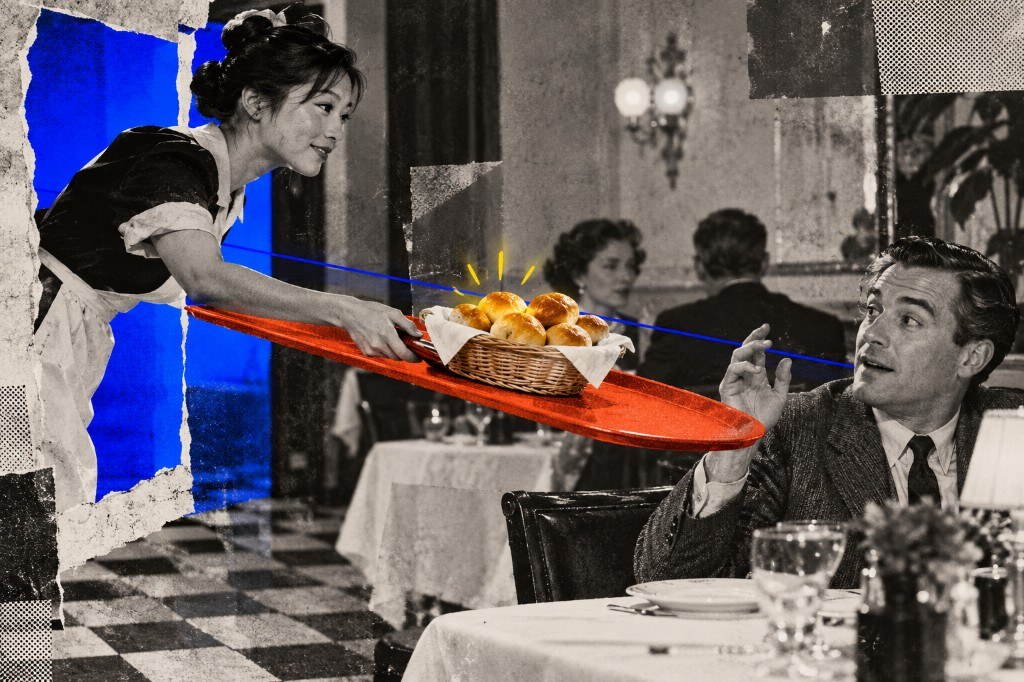
When I was 17, a Golden Corral opened up in town with a huge red “We’re hiring” banner. I took the job at this so-called “legendary, endless buffet” to earn a bit of cash the summer before college.
I waited on a lot of people — and several of them carried a similar trait: they were unbelievably demanding and impatient. Before I could even introduce myself, customers were already asking for their dinner rolls.
Sheesh. Talk about impatient.
From then on, my first interaction with every customer was to greet them with a basket of dinner rolls. Immediately, serving them got easier. They were less hangry, less demanding, less impatient.
Like diners, your users are impatient. They want to be fed as soon as possible. To satisfy them, give people what they want before they even ask.
Some ways to surprise impatient users:
- Complete their search entry so they don’t have to type the rest
- Recommend something they might like so they don’t have to hunt
- Offer starter sentences so they don’t have to begin from zero
3. Users are like habitual factory workers
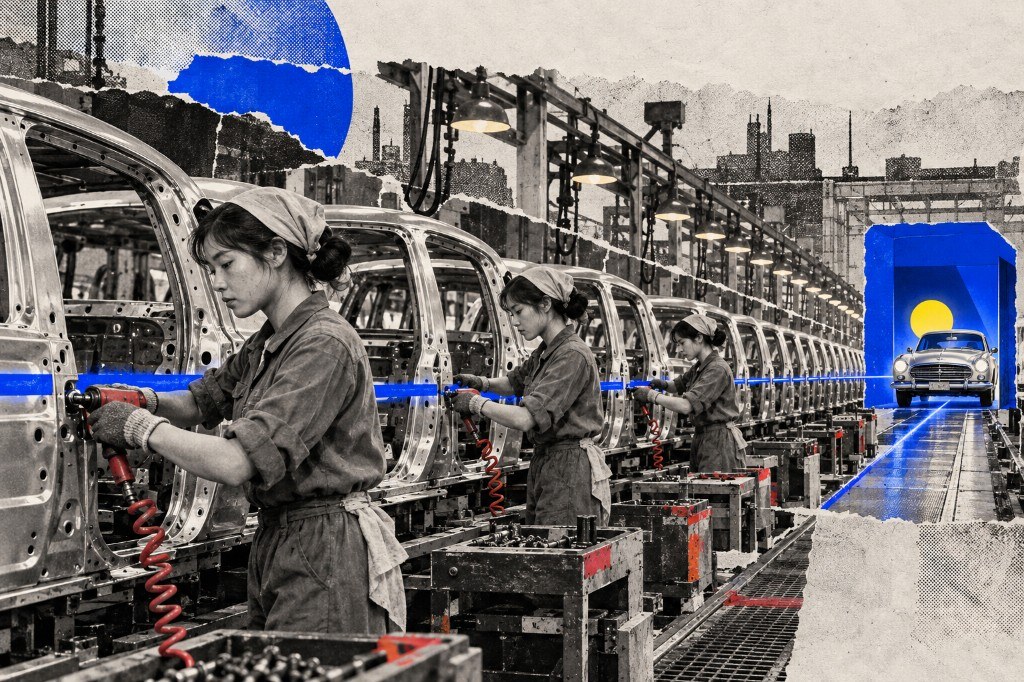
When I was 18, my father said, “I want you to work at my company for the summer. I want you to understand the importance of education.”
And so I did. I joined him at the NUMMI factory, assembling Toyota Camrys and Pontiac Vibes.
The factory was a dump. Dark, smelly, loud, and dirty. Despite the fact it wasn’t meant for this princess, it was amazing — amazing how 6,000 vehicles were produced each week.
That number was only possible because the factory had a systematic process. A consistent one.
Consistency creates habits, and people love habits. It removes confusion and chaos and creates efficiency.
Like a factory, your product should stay consistent so users can flow through tasks quickly, easily, and efficiently.
To create consistent experiences:
- Keep interactions consistent so navigation feels seamless
- Keep UI elements and components recognizable and refined
- Keep copy consistent — it builds trust and credibility
4. Users are like timid college freshmen
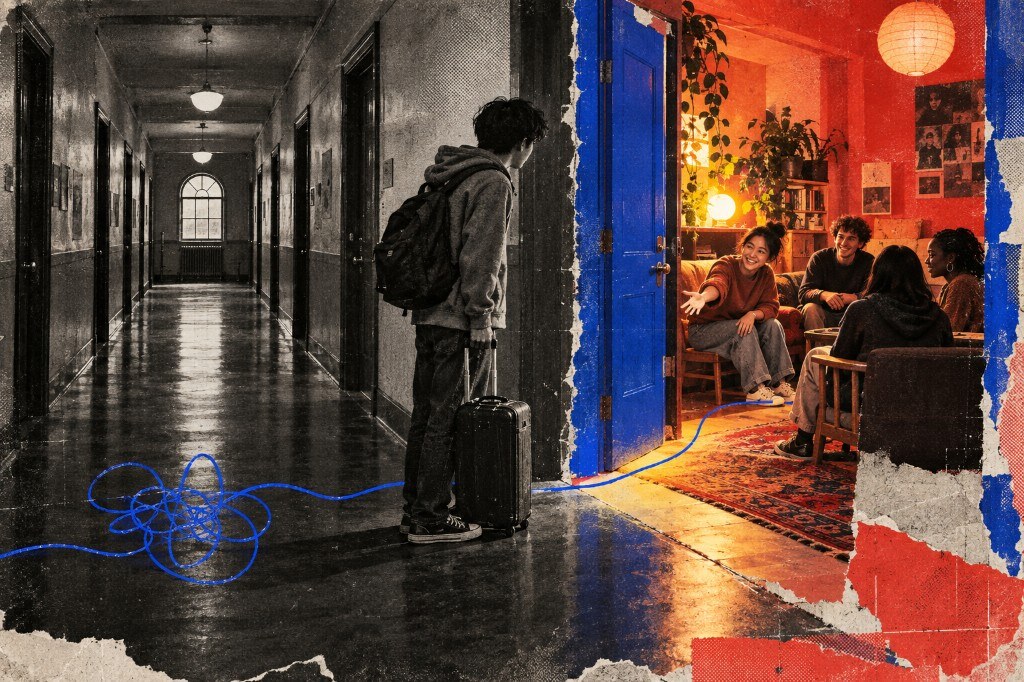
At 19, I became a resident advisor at San José State University.
Besides the fact it gave me a roof over my head, meals in my belly, and priority registration, being an RA let me be “Mama Phan” to many college freshmen.
For a lot of them, it was the first time living away from home. Many were timid and scared. They didn’t know what to expect — and where they lived could make or break their college experience.
Like college freshmen, your users arrive with mixed emotions. Excited. Scared. Skeptical. Our job as designers is to make them feel at home — to give them a sense of belonging.
To give users a sense of belonging:
- Welcome and greet them when they hop onto your product
- Make them feel special — a coupon, an exclusive invite, a few points
- Check in every now and then and ask how they’re doing and how you can help
5. Users are like clueless students
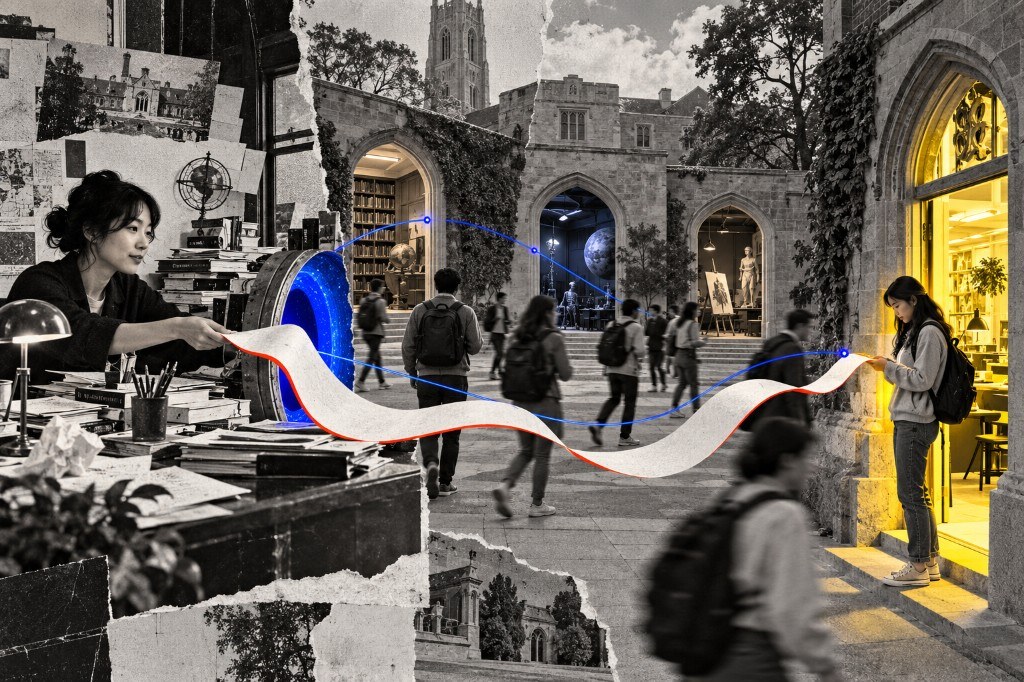
When I was 20, I was elected Director of Communications at San José State.
Despite how horrible my English was (it’s my second language), I loved communicating — and I was excited to get into design by working with the campus marketing and branding team.
My goal was to create a culture of transparency and educate students about all the events and programs we offered. Surprisingly, many students weren’t aware of them. They didn’t know they had all these goodies.
A product is very similar. You can have all the neat, slick features you like — but if users don’t know about them, they’re wasted.
You have to educate and inform people about your features. And you should do it at the right time, otherwise it becomes spam.
To educate unaware users:
- Add tooltips throughout the first experience
- Use a bot for gentle “did you know” moments
- Write about the features — and why you created them
Connecting the dots
Steve Jobs said: “You can’t connect the dots looking forward; you can only connect them looking backwards. So you have to trust that the dots will somehow connect in your future.”
As I look back, my five non-design dots all connected to help me become a better designer today.
They helped me understand users better — and users are simply people. As designers, we just need to understand people better. What they want. What they need. What motivates them.
“We need to learn to observe and listen to people more to get to know them.” — Corey Johnson
Of course, there are other lessons I’ve learned from my path:
- You don’t need a prestigious design school to learn how to design — but you do need a passion for design
- You don’t need to jump immediately into design roles — but you do need to stack up experiences
- You don’t need all the data to design for people — but you do need to understand and empathize with them
I’ll save those three for another post.